
Aivora Futures Trading Guide for Beginners: Long, Short, Leverage, and Risk Basics
Futures trading is one of the most popular ways crypto traders participate in fast-moving markets.
Unlike spot trading, where users buy and sell actual crypto assets, futures trading allows traders to open positions based on the price movement of a cryptocurrency. This means traders can take a position when they expect the market to rise or when they expect the market to fall.
Aivora supports crypto futures trading, which may appeal to traders who want access to long and short market opportunities. However, futures trading also carries higher risk than basic spot trading, especially when leverage is used.
This guide explains how Aivora futures trading works, what long and short positions mean, how leverage and margin are used, why liquidation risk matters, and how TetherBack cashback can help reduce eligible trading fee costs.

What Is Futures Trading?
Futures trading allows traders to open contracts that follow the price movement of an asset.
In crypto futures trading, the contract is usually linked to the price of a cryptocurrency such as Bitcoin, Ethereum, or another supported asset. The trader does not always need to own the actual coin. Instead, the trader opens a position based on whether they expect the price to move up or down.
This makes futures trading different from spot trading.
In spot trading, a user buys or sells the actual crypto asset.
In futures trading, a user trades a contract based on price movement.
This gives traders more flexibility, but it also increases risk. Futures trading can involve leverage, margin, funding fees, and liquidation.
What Is Aivora Futures Trading?
Aivora futures trading allows users to trade crypto futures contracts on the Aivora platform.
Aivora is positioned as an AI-powered centralized crypto exchange with access to spot and futures trading features. Its futures trading section is designed for users who want to trade price movements instead of only buying or selling crypto directly.
For traders, this means Aivora futures can be used to take long or short positions depending on market expectations.
However, futures trading should not be treated as a simple way to make money. Crypto markets are volatile, and futures trading can increase both potential gains and potential losses.
Before using Aivora futures, traders should understand the basic terms clearly.
What Is a Long Position?
A long position is used when a trader expects the price of a crypto asset to increase.
For example, if a trader believes Bitcoin will rise in price, the trader may open a long position on a BTC futures contract.
If the price moves higher, the long position may become profitable.
If the price moves lower, the long position may lose value.
Long positions are common when traders believe the market is bullish or when technical analysis shows possible upward movement.
However, a long position still carries risk. If the market moves against the trader, losses can happen quickly, especially with leverage.
What Is a Short Position?
A short position is used when a trader expects the price of a crypto asset to decrease.
For example, if a trader believes Ethereum will fall in price, the trader may open a short position on an ETH futures contract.
If the price moves lower, the short position may become profitable.
If the price moves higher, the short position may lose value.
This is one of the main reasons traders use futures. Futures allow traders to participate in both rising and falling markets.
However, short trading also carries risk. Crypto prices can move sharply upward, and a short position can lose money if the market rises against the trader.

Long vs Short: Simple Difference
The difference between long and short trading is simple.
A long position is used when a trader expects the price to go up.
A short position is used when a trader expects the price to go down.
Both can be useful depending on market conditions, but both can also lose money.
The direction of the trade is not the only important factor. Traders must also consider entry price, position size, leverage, fees, stop-loss levels, and overall risk management.
What Is Leverage in Futures Trading?
Leverage allows traders to control a larger position with a smaller amount of margin.
For example, with leverage, a trader may open a position larger than the funds placed as margin. This can increase potential returns, but it can also increase potential losses.
This is why leverage is risky.
A small price movement can have a larger effect on the trader’s position. If the market moves in the trader’s favor, leverage can increase gains. If the market moves against the trader, leverage can increase losses.
Beginners should be especially careful with leverage. High leverage can lead to fast liquidation if the market moves against the position.
What Is Margin?
Margin is the amount of funds a trader uses to open and maintain a futures position.
In simple terms, margin acts as collateral for the trade.
There are usually two important margin concepts:
Initial margin is the amount required to open a position.
Maintenance margin is the minimum amount required to keep the position open.
If the account balance or position margin falls below the required level, the position may face liquidation.
This is why traders should not use all available funds in one trade. Keeping extra margin may help reduce the risk of forced liquidation during normal market volatility.
What Is Liquidation?
Liquidation happens when a futures position is automatically closed because the trader no longer has enough margin to support it.
This usually occurs when the market moves against the position and losses reach a certain level.
For example, if a trader opens a long position and the price drops sharply, the position may move closer to liquidation. If the margin is no longer enough, the exchange may close the position automatically.
Liquidation is one of the biggest risks in futures trading.
Once liquidation happens, the trader may lose the margin used for that position.
This is why risk management is essential.
Why Futures Trading Fees Matter
Every futures trade can include trading fees.
When a trader opens a position, a fee may be charged. When the trader closes the position, another fee may be charged. If the trader trades frequently, these fees can add up.
This is especially important for active futures traders.
A trader who places one trade per month may not notice fees as much. A trader who opens and closes positions daily may pay fees much more often.
This is why many futures traders compare exchanges based on maker fees, taker fees, liquidity, execution, and cashback options.
Fees are part of trading cost, and trading cost affects long-term efficiency.
Maker and Taker Fees in Futures Trading
Most crypto futures exchanges use maker and taker fees.
A maker order adds liquidity to the order book. This usually happens when a trader places a limit order that does not execute immediately.
A taker order removes liquidity from the order book. This usually happens when a trader places a market order or an order that executes immediately.
Taker fees are often higher than maker fees because taker orders remove available liquidity from the market.
For futures traders, understanding maker and taker fees is important because order type can affect total trading cost.
How TetherBack Cashback Helps Futures Traders
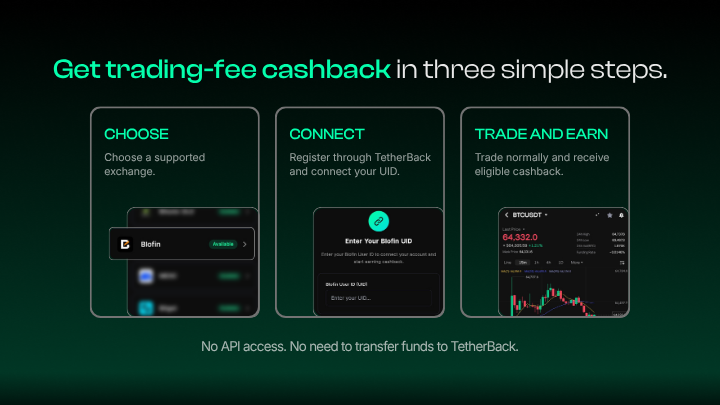
Through TetherBack, eligible users can receive cashback based on trading fee activity from supported exchanges.
For Aivora traders, Aivora is available as a supported exchange on TetherBack with cashback available for eligible users.
This can be useful for futures traders because futures trading can generate repeated fees. When positions are opened and closed frequently, cashback may help return part of those eligible trading fees.
However, cashback should be understood correctly.
-
Cashback does not guarantee profit.
-
Cashback does not prevent liquidation.
-
Cashback does not reduce market volatility.
-
Cashback does not replace a trading plan.
It simply helps reduce the effective cost of eligible trading fees.
For active traders, this cost reduction can be useful over time.
How to Activate Aivora Cashback Through TetherBack
To receive Aivora cashback through TetherBack, users usually need to activate cashback before creating their exchange account.
The basic process is:
-
Create or log in to a TetherBack account.
-
Find Aivora on the supported exchange page.
-
Review the cashback rate, fee details, and eligibility rules.
-
Click the official Aivora activation link.
-
Register for Aivora through that link.
-
Complete the required account verification steps.
-
Trade directly on Aivora.
-
Track eligible cashback through TetherBack.
The registration step is important. If a user creates an Aivora account outside the TetherBack activation link, the account may not qualify for cashback through TetherBack.
Beginner Tips Before Trading Aivora Futures
Beginners should approach futures trading carefully.
The first step is to understand the difference between spot and futures trading. Spot trading is usually simpler because users buy and sell the actual crypto asset. Futures trading is more advanced because it involves contracts, margin, leverage, and liquidation risk.
The second step is to avoid high leverage. High leverage may look attractive, but it can increase the chance of liquidation.
The third step is to start with a clear trading plan. A trader should know the entry point, exit point, stop-loss level, and maximum risk before opening a position.
The fourth step is to avoid overtrading. More trades do not always mean better results. Overtrading can increase fees and emotional decision-making.
The fifth step is to treat cashback as a cost-reduction tool, not a reason to trade more.
Common Futures Trading Mistakes
One common mistake is using leverage without understanding liquidation.
Many beginners focus on potential gains and ignore how quickly losses can grow.
Another mistake is entering trades without a stop-loss plan.
A stop-loss helps limit losses when the market moves against a position. Without one, a trader may hold a losing position for too long.
Another mistake is trading too large.
A large position can increase emotional pressure and make decision-making harder.
Another mistake is ignoring fees.
Even small fees can matter when trades are repeated often.
Another mistake is thinking cashback removes risk.
Cashback can reduce eligible fee costs, but it cannot protect a trader from losses.
Is Aivora Futures Trading Suitable for Beginners?
Aivora futures trading may be available to beginners, but that does not mean beginners should rush into it.
New traders should first understand crypto market basics, price charts, order types, fees, and risk management.
Futures trading is more complex than spot trading because leverage and liquidation can create faster losses.
For beginners, the safer approach is to learn first, trade carefully, use lower risk, and avoid large positions.
Cashback through TetherBack can help reduce eligible trading fee costs, but it should only support responsible trading activity.
Is Aivora Futures Trading Useful for Active Traders?
Aivora futures trading may be more relevant for active traders who already understand long and short positions, margin, leverage, and risk control.
Active traders usually care more about fees because they trade more often.
For these users, cashback may help reduce effective trading costs over time.
However, active trading still requires discipline. Traders should monitor position size, fees, funding costs, liquidation levels, and market conditions.
Cashback can support cost efficiency, but the trading strategy still matters most.
FAQ
What is Aivora futures trading?
Aivora futures trading allows users to trade crypto contracts based on price movement instead of only buying or selling the actual crypto asset.
Can I go long and short on Aivora?
Aivora futures trading supports long and short market exposure, depending on the trading products available on the platform.
What is a long position?
A long position is used when a trader expects the price of a crypto asset to increase.
What is a short position?
A short position is used when a trader expects the price of a crypto asset to decrease.
What is leverage in futures trading?
Leverage allows traders to control a larger position with a smaller amount of margin. It can increase both gains and losses.
What is liquidation?
Liquidation happens when a futures position is automatically closed because the trader no longer has enough margin to keep it open.
Why do futures trading fees matter?
Futures trading fees matter because active traders may open and close positions often. Repeated fees can increase the total cost of trading.
Can TetherBack cashback reduce Aivora futures trading costs?
Yes. Eligible users may receive cashback on trading fees through TetherBack if they register through the correct activation flow and meet the applicable requirements.
Does cashback protect traders from losses?
No. Cashback only helps recover part of eligible trading fees. It does not protect traders from market losses or liquidation.
Should beginners use futures trading?
Beginners should be careful with futures trading. It is more complex and riskier than spot trading because it can involve leverage and liquidation.
Conclusion
Aivora futures trading gives users access to long and short crypto market opportunities.
This can be useful for traders who want to participate in both rising and falling markets. However, futures trading is more advanced than spot trading and carries higher risk because of leverage, margin, and liquidation.
Before trading futures, users should understand how long and short positions work, how fees are charged, and how risk can be managed.
Through TetherBack, eligible Aivora users can reduce effective trading costs by receiving cashback on eligible trading fees.
For futures traders, this can be useful because repeated trading activity can create repeated fees.
Still, cashback should not be treated as profit or protection from losses. It is a fee recovery benefit.
Aivora futures trading may be useful for traders who understand the risks, trade with a clear plan, and want to make their trading costs more efficient through TetherBack cashback.
About TetherBack
TetherBack is a crypto cashback and rewards platform built for active traders who want to reduce effective trading costs. By partnering with supported exchanges, TetherBack shares a portion of trading fee revenue back to users in the form of cashback.
The platform does not hold user funds and does not operate as an exchange. Traders continue to execute trades directly on their chosen exchange while earning rewards through the partnership structure.
TetherBack focuses on cost efficiency, transparency, and providing traders with a structured way to maximize value from their existing trading activity.