
TetherBack or Lolli: Which Crypto Cashback Platform Makes More Sense?
Not all crypto cashback platforms work the same way.
Some reward you for shopping online. Others reward you for spending through cards or payment apps. TetherBack takes a different route. It is built for traders who want to earn cashback on crypto trading activity, not retail purchases.
That makes TetherBack and Lolli an interesting comparison. On the surface, both can be placed under the broad crypto cashback category. In practice, they serve very different users. Lolli is designed around online shopping rewards, while TetherBack is built around exchange trading cashback. Once that difference is clear, it becomes much easier to see which platform is the better fit.
If your goal is to earn Bitcoin while shopping at partner stores, Lolli has a straightforward consumer rewards model. If your goal is to recover part of your trading costs and earn USDT cashback while trading on supported exchanges, TetherBack is the more relevant platform.

What Is TetherBack?
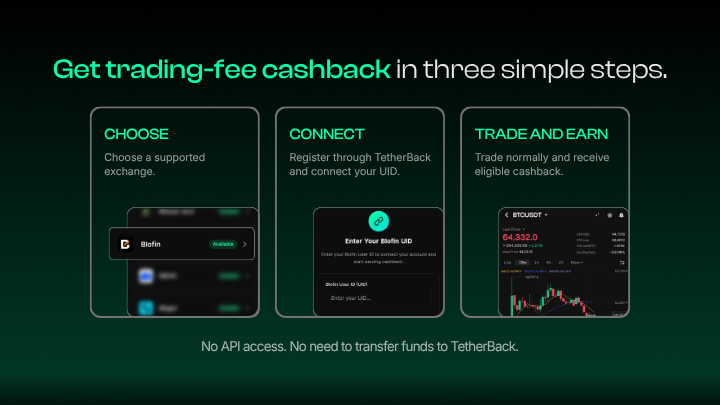
TetherBack is a crypto trading cashback platform that gives users USDT cashback based on trading activity on supported partner exchanges. Instead of requiring API access, TetherBack works through UID linking. Users can connect eligible exchange accounts, track cashback across exchanges, and claim rewards from one dashboard.
This makes TetherBack especially attractive to active traders. Rather than focusing on retail spending or merchant promotions, it focuses on a real cost that traders deal with regularly: trading fees. For users who trade consistently, cashback on those fees can become a meaningful benefit over time. TetherBack also stands out for its cleaner user experience by avoiding API integration.
What Is Lolli?
Lolli is a shopping rewards platform that lets users earn Bitcoin or cash back when they shop with participating merchants. It is available through a browser extension, app, and website, and it promotes rewards from more than 25,000 stores with offers of up to 30% back at eligible merchants.
The platform is much more consumer-oriented than trader-oriented. Instead of linking exchange accounts or tracking trading activity, users activate shopping offers and earn rewards when they complete eligible purchases. That makes Lolli easier to understand for casual users who want to stack Bitcoin while shopping online.
The main tradeoff is that Lolli’s reward flow depends on merchant terms, eligibility rules, and confirmation periods. On merchant pages, Lolli notes that cashback can take up to 90 days to become available after the purchase or completed travel reservation.
TetherBack vs Lolli at a Glance
|
Feature |
TetherBack |
Lolli |
|
Core use case |
Trading cashback |
Shopping rewards |
|
Reward trigger |
Exchange trading activity |
Online purchases at partner merchants |
|
Reward type |
USDT cashback |
Bitcoin or cash back |
|
Main audience |
Crypto traders |
Online shoppers |
|
Access model |
UID linking |
Browser extension, app, website |
|
API required |
No |
Not applicable |
|
Reward timing |
Daily claim model |
Merchant confirmation can take up to 90 days |
|
Platform focus |
Fee recovery for traders |
Rewards on everyday shopping |
|
Best for |
Active exchange users |
Casual users who shop online |
The biggest difference is simple. TetherBack is designed to help traders get more value from the activity they already do. Lolli is designed to help shoppers earn rewards from purchases they were already planning to make.
Why TetherBack Stands Out
TetherBack stands out because it addresses a specific pain point for crypto traders. Trading fees may look small on a single trade, but they add up over time. A platform that returns part of that cost in USDT is directly useful for anyone who trades regularly.
Another advantage is focus. TetherBack is not trying to be a browser extension, a shopping portal, and a lifestyle rewards app all at once. Its model is simple and purposeful. You trade on supported exchanges, link your eligible account, track your activity, and claim cashback. That clarity makes the platform easy to understand for its target audience.
TetherBack also benefits from its security-oriented positioning. Since it does not require API integration, users do not need to connect a third party to their exchange permissions. For many traders, that is an important trust factor.

Where Lolli Performs Well
Lolli performs well in a completely different lane. It is accessible, familiar, and built around everyday consumer behavior. Shopping cashback is easy to understand, and the idea of earning Bitcoin from purchases is appealing to a wide audience.
Lolli is also useful for people who want crypto rewards without becoming active traders. Someone who shops online regularly may find Lolli much easier to use than a trading cashback platform. It fits into habits that already exist, which lowers the barrier to entry.
Its browser extension and mobile-first experience also make it feel lightweight and easy to adopt. For users who like cashback portals, deal extensions, and merchant offers, Lolli can feel more immediately familiar than a trader-focused platform.
Pros and Cons of TetherBack
Pros
-
Built specifically for crypto traders
-
Cashback is tied to trading activity, not shopping
-
Rewards are paid in USDT
-
No API integration required
-
Dashboard supports tracking across multiple exchanges
-
Daily claim model is more aligned with active trading behavior
Cons
-
Less useful for users who do not trade actively
-
Depends on supported partner exchanges
-
More niche than broad consumer cashback apps
-
Not designed for everyday shopping or card spending rewards
Pros and Cons of Lolli
Pros
-
Easy for mainstream users to understand
-
Earn Bitcoin or cash back while shopping online
-
Large merchant network
-
Browser extension and app make activation simple
-
Suitable for users who want passive crypto exposure through normal purchases
Cons
-
Not designed for trading cashback
-
Rewards depend on merchant terms and eligibility
-
Cashback confirmation can take up to 90 days
-
Less relevant for active traders trying to reduce exchange-related costs
How TetherBack Is Different From Lolli
The most important difference is the reward model.
Lolli rewards consumer shopping. TetherBack rewards trading activity.
That means these platforms are not interchangeable in the way many comparison articles pretend they are. If a trader is looking for a platform that helps reduce the effective cost of trading, Lolli does not really solve that problem. If a casual shopper wants Bitcoin rewards from retail purchases, TetherBack is not trying to be that kind of product.
This is exactly why TetherBack has stronger positioning for an exchange-focused audience. It is built for people who already trade and want to optimize that experience. Lolli is built for people who want rewards attached to shopping behavior.
How to Use TetherBack
Using TetherBack is straightforward.
First, create your account on TetherBack and choose a supported partner exchange. If you do not already have an account with that exchange, sign up through the TetherBack partner link so the cashback tracking is connected correctly.
Next, link your eligible exchange account using your UID. TetherBack does not require API access, so the setup is cleaner and simpler than many third-party tools.
Once your account is linked, you can monitor your trading cashback from the TetherBack dashboard. The platform lets you track cashback data across supported exchanges in one place.
After that, you can claim your USDT cashback through the platform’s daily claim flow. For active traders, this turns normal exchange activity into an additional value stream instead of leaving fees as a one-way cost.
Which Platform Is Better?
For active crypto traders, TetherBack is the better fit.
That is because TetherBack is built around the actual behavior traders care about: trading on exchanges and reducing fee-related costs. It is more specialized, more relevant to trading activity, and more directly aligned with users who want practical cashback tied to exchange usage.
For online shoppers who want to earn Bitcoin from regular purchases, Lolli is the better fit.
So the honest conclusion is this: TetherBack is better for traders, while Lolli is better for shoppers. If the audience is visiting the TetherBack website, the stronger choice is clear. TetherBack offers a more relevant and more effective cashback model for anyone focused on crypto trading rather than online retail rewards.
Our Verdict
Lolli is a solid shopping rewards platform. It offers a familiar cashback experience, a large merchant network, and an easy way to earn Bitcoin from purchases.
But it is not built for the same purpose as TetherBack.
TetherBack is the stronger platform for users who want cashback tied directly to crypto trading. Its no-API model, daily claim structure, and exchange-focused setup make it a more relevant solution for active traders who want more value from every trade.
If your priority is shopping rewards, Lolli makes sense. If your priority is trading cashback, TetherBack is the clear winner.
FAQ
Is Lolli a direct alternative to TetherBack?
Not really. Lolli is a shopping rewards platform, while TetherBack is a trading cashback platform. They may both fall under the wider crypto rewards category, but they are designed for different user behavior.
Which platform is better for crypto traders?
TetherBack is the better choice for crypto traders because it is specifically designed to return cashback based on trading activity on supported exchanges.
Which platform is better for online shopping rewards?
Lolli is better for online shopping rewards because that is its main purpose. Users shop through participating merchants and earn Bitcoin or cash back on eligible purchases.
Does TetherBack require API access?
No. TetherBack works through UID linking and does not require API integration.
How long does Lolli take to confirm rewards?
Lolli notes that cashback can take up to 90 days to become available, depending on the retailer and confirmation process.
Can users use both TetherBack and Lolli?
Yes. Since they serve different purposes, some users may use TetherBack for trading cashback and Lolli for shopping rewards.
Glossary
-
Crypto cashback: Rewards paid in cryptocurrency or linked to crypto-related activity.
-
Trading cashback: Cashback earned from trading activity, usually tied to exchange fees.
-
UID linking: Connecting an exchange account identifier to a cashback platform.
-
USDT: A stablecoin designed to track the U.S. dollar.
-
Merchant rewards: Cashback or incentives tied to purchases made with participating retailers.
-
Browser extension: A browser add-on that helps activate shopping offers or rewards.
-
Cash back: A reward returned to the user after an eligible activity, such as shopping or trading.
-
Partner exchange: An exchange that works with a cashback platform to support user rewards.
About TetherBack
TetherBack is a crypto cashback and rewards platform built for active traders who want to reduce effective trading costs. By partnering with supported exchanges, TetherBack shares a portion of trading fee revenue back to users in the form of cashback.
The platform does not hold user funds and does not operate as an exchange. Traders continue to execute trades directly on their chosen exchange while earning rewards through the partnership structure.
TetherBack focuses on cost efficiency, transparency, and providing traders with a structured way to maximize value from their existing trading activity.