
Why Crypto Cashback Matters More for Active Traders Than Casual Traders
Crypto Cashback sounds useful to almost every trader.
If you can get part of your trading fees back, that is clearly better than getting nothing back at all. But even though cashback can benefit different types of traders, it does not have the same level of impact for everyone.
For active traders, cashback usually matters much more.
That is because the value of cashback grows with trading activity. The more often you trade, the more often fees are generated, and the more relevant fee reduction becomes over time.

Crypto Cashback Is Linked to Trading Activity
The core idea behind crypto cashback is simple. It returns part of your eligible trading fees.
That means the value of crypto cashback is directly connected to how much fee-generating activity you produce. If trading volume is low, cashback tends to feel smaller. If trading volume is higher and more consistent, cashback becomes more noticeable.
This is the key reason active traders usually care more about cashback than casual traders. The more often you trade, the easier it is to feel the long-term effect of cost reduction.
Active Traders Feel Crypto Trading Fee Impact Faster
Fees do not need a long time to become noticeable when trading activity is high.
An active trader may open and close positions regularly, which means trading costs build up much faster. Even if each individual fee looks small, repeated activity turns that small percentage into a meaningful cost over time.
That is why fee reduction matters more at higher frequency.
For an active trader, cashback is not just a nice extra. It can become an important part of managing cost efficiency because repeated trading creates repeated fees.
Casual Traders Still Benefit, But the Impact Is Smaller
This does not mean cashback has no value for casual traders.
A trader who places fewer trades can still benefit from getting part of those fees back. Cost reduction is still useful. The difference is simply the level of impact.
When trading activity is lower, the total fees are usually lower too. That means the practical effect of cashback may feel smaller and take longer to notice.
So the difference is not whether cashback matters at all. The difference is how much it matters in real terms.

The More You Trade, the More Cost Reduction Adds Up
This is where cashback becomes much more meaningful for active traders.
Repeated trading means repeated fees. Once those fees keep appearing over time, even a partial return becomes more valuable. What feels minor on a single trade starts to look much more relevant over a week, a month, or longer.
This is one of the biggest reasons experienced traders often care more about cashback than beginners. They already understand how trading costs build in the background, and they know that reducing those costs can improve long-term efficiency.
Cashback supports that mindset by helping reduce part of the repeated cost.
Active Traders Need to Care More About Efficiency
When trading activity is frequent, efficiency becomes more important.
An active trader has more decisions to make, more trades to manage, and more total cost exposure. That means small improvements in execution, discipline, and cost control can have a bigger long-term effect.
Cashback fits into that same logic. It does not replace strategy or skill, but it can improve the efficiency of a setup that already works.
For casual traders, this still matters, just on a smaller scale. For active traders, it becomes much harder to ignore.
A Simple Comparison Makes the Difference Clearer
The difference between active and casual trading is easier to understand when you compare how fees may build over time.
|
Trader Type |
Trading Activity |
Fee Frequency |
Cashback Impact |
|
Active Trader |
High and consistent |
Fees generated more often |
More noticeable over time |
|
Casual Trader |
Lower and less frequent |
Fees generated less often |
Useful, but smaller in practice |
This is the practical reason cashback matters more for active traders. The structure is the same, but repeated activity changes the impact.
Active Traders Usually Compare More Than One Number
Another reason cashback matters more for active traders is that they tend to look more closely at total cost.
Instead of focusing only on the cashback percentage, active traders are more likely to compare the cashback rate together with maker fees and taker fees. That is because they feel the effect of fee structure more directly over time.
For example, a setup with a stronger cashback rate may look attractive, but if another exchange has a lower fee structure that better matches the way the trader executes, that can matter just as much.
The more active the trading style, the more important this kind of comparison becomes.
Crypto Cashback Does Not Replace Strategy, But It Supports It
It is important to stay realistic.
Cashback is not what makes a trader profitable. Strategy, discipline, execution, and risk management still matter far more.
But for active traders who are already generating regular volume, cashback can strengthen a good setup by reducing costs in the background. That is the right way to understand it.
It is not a shortcut. It is a support system for long-term efficiency.
Conclusion
Crypto cashback can benefit any trader, but it matters much more for active traders because trading activity makes the impact easier to feel.
The more often you trade, the more often fees appear. And the more often fees appear, the more useful cost reduction becomes. That is why cashback tends to feel like a minor extra for casual traders but a more meaningful efficiency tool for active traders.
The difference is not in the cashback itself. The difference is in how often trading costs are created.
FAQ
Why does crypto cashback matter more for active traders?
Because active traders generate trading fees more often, so fee reduction becomes more meaningful over time.
Does crypto cashback still help casual traders?
Yes. Casual traders still benefit, but the practical impact is usually smaller because trading activity is lower.
Is crypto cashback enough to make a strategy better?
No. Cashback supports efficiency, but it does not replace strategy, discipline, or risk management.
What should active traders compare besides crypto cashback rate?
They should also compare maker fees, taker fees, and how the fee structure fits their trading style.
About TetherBack
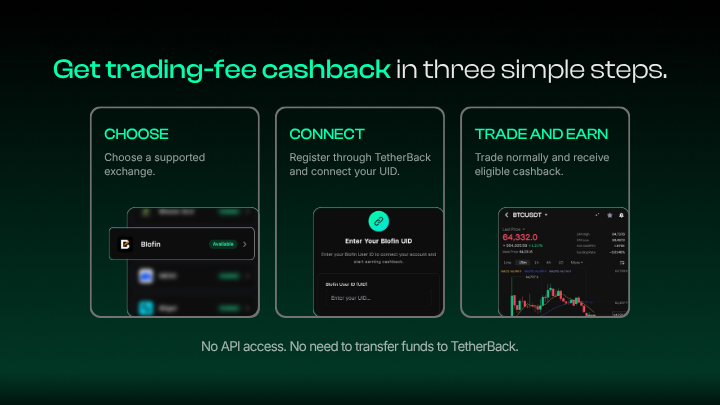
TetherBack is a crypto cashback and rewards platform built for active traders who want to reduce effective trading costs. By partnering with supported exchanges, TetherBack shares a portion of trading fee revenue back to users in the form of cashback.
The platform does not hold user funds and does not operate as an exchange. Traders continue to execute trades directly on their chosen exchange while earning rewards through the partnership structure.
TetherBack focuses on cost efficiency, transparency, and providing traders with a structured way to maximize value from their existing trading activity.