
Long vs Short in Crypto Futures: How Beginners Trade Both Directions
One of the biggest differences between crypto futures and spot trading is that futures traders can try to profit whether the market goes up or down. That is where long and short positions come in. For beginners, these two terms can sound technical at first, but the basic idea is simple. A long position is used when a trader expects the price to rise. A short position is used when a trader expects the price to fall. In futures markets, both approaches are part of the basic trading structure.
This is one reason crypto futures can feel more flexible than spot trading. In spot, beginners usually buy a coin and hope it increases in value. In futures, traders are working with contracts instead of directly owning the coin, so they can open positions in either direction. That added flexibility is useful, but it also adds more complexity and more risk, especially when leverage and margin are involved.
For a beginner, the most important thing to understand is not just what long and short mean, but how they work in practice and why both can become risky if used carelessly. A trader can be correct about market direction and still lose money if they misunderstand leverage, liquidation, or trading costs. That is why long vs short crypto futures should always be explained with clear basics first.

What Is a Long Position in Crypto Futures?
A long position in crypto futures means the trader expects the price of the asset to rise. In futures, opening a long position is generally done by buying a futures contract. If the market price moves higher after entry, the long position can gain value. If the market price falls instead, the long position loses value.
In simple language, a long position is a bullish trade. You think the asset will go up, so you take a position that benefits from rising prices. For example, if Bitcoin is trading at $100,000 and a trader opens a long futures position, they want Bitcoin to move above that level after the trade is opened.
This is usually the easier side for beginners to understand because it feels similar to the normal idea of buying something and hoping its value rises. The difference is that in futures, the trader is usually working with a contract and not necessarily owning the underlying coin itself.
What Is a Short Position in Crypto Futures?
A short position in crypto futures means the trader expects the price of the asset to fall. In futures, opening a short position is generally done by selling a futures contract first, with the goal of buying it back later at a lower price. If the market falls, the short position can gain value. If the market rises, the short position loses value.
This is the part that makes shorting crypto explained differently from simple spot trading. In spot, beginners usually think in one direction only: buy first, sell later. In futures, shorting allows traders to take a bearish view directly. That means the market does not need to rise for a trader to look for opportunity. It can also fall.
For beginners, short positions can feel less intuitive than long positions. But the core logic is still simple. A long wants the market to go up. A short wants the market to go down.
Long Position vs Short Position Crypto Basics
If you want the fastest explanation of long position vs short position crypto, it is this:
-
A long position profits when price rises.
-
A short position profits when price falls.
That is the core difference, but in real trading the result also depends on position size, leverage, fees, funding, and when the trade is closed. A trader can enter the correct side of the market and still get poor results if risk is managed badly.
For beginners, this is why futures trading basics matter so much. Long and short are just the direction of the trade. They do not guarantee profit by themselves.
How Long and Short Positions Work in Practice
Let’s keep it simple.
Imagine ETH is trading at $3,000.
If a trader believes ETH will rise, they open a long position. If ETH moves to $3,100, that long position may gain value. If ETH drops to $2,900, that long position may lose value.
If another trader believes ETH will fall, they open a short position. If ETH drops to $2,900, the short position may gain value. If ETH rises to $3,100, the short position may lose value.
This example shows why futures are different from spot trading. In spot, the beginner would usually buy ETH only if they expected it to rise. In futures, a trader can act on both a bullish and a bearish view.

Why Crypto Futures Make Both Directions Possible
Crypto futures make both long and short trading possible because they are derivative contracts. Their value is tied to the price of the underlying asset, but the trader is not always directly buying or holding that asset the way they would in the spot market. That contract structure allows traders to take either side of price movement.
Many crypto futures today are perpetual futures, which means they do not have a fixed expiration date. In these products, long and short positions are a core part of how the market operates.
For beginners, the key takeaway is this: long and short are not special strategies on top of futures. They are basic parts of how futures work.
Leverage Makes Both Long and Short Riskier
Long and short positions become much riskier once leverage is added.
Leverage allows traders to control a larger position with a smaller amount of capital. This can magnify gains, but it also magnifies losses.
That means a long position with leverage can lose money much faster if price falls, and a short position with leverage can lose money much faster if price rises. The market does not need to move very far for the effect on the trader’s margin to become serious.
For beginners, this is one of the most important lessons in futures trading basics. Long and short are easy to define. Managing them safely is much harder when leverage is involved.
Margin and Liquidation in Long and Short Trades
Margin is the collateral supporting a futures position. If losses on a long or short trade become too large relative to the margin balance, the platform may automatically close the position. This is called liquidation.
This matters for both directions.
A long position can be liquidated if the market falls far enough against it.
A short position can be liquidated if the market rises far enough against it.
For beginners, this is a major difference from ordinary spot trading. In spot, an asset can fall and you still keep holding it unless you choose to sell. In futures, a position can be closed automatically before the market ever has a chance to reverse.
Funding Rates and Why They Matter to Long and Short Traders
In perpetual futures, funding rates are periodic payments between long and short positions designed to keep futures prices aligned with spot markets.
For beginners, this means the cost of holding a position is not only about entry and exit price. Funding can affect the total result too. If you keep a long or short trade open long enough, the funding flow may matter.
That is another reason shorting crypto explained properly needs more than just “betting on a drop.” In perpetual futures, both long and short positions exist inside a system with leverage, margin, and funding.
Which Is Easier for Beginners: Long or Short?
For most beginners, long positions are easier to understand because they feel closer to normal buying. The logic is familiar: you expect the price to rise, so you take a position that benefits from that move. Short positions are slightly less intuitive because they involve profiting from a price decline.
However, neither side is automatically safer in futures. A long can lose quickly in a falling market. A short can lose quickly in a rising market. Once leverage is added, both sides can become high-risk if the trade is poorly managed.
So the real beginner lesson is not that one side is always good and the other is always bad. It is that both long and short positions are tools, and both require caution.
Common Beginner Mistakes With Long and Short Futures Trades
Beginners often make the same mistakes whether they go long or short:
Confusing direction with certainty
Picking the right side of the market does not guarantee success. Risk still matters.
Using leverage too early
Long and short positions become much more dangerous when position size is too large relative to margin.
Ignoring liquidation
A beginner may think the market will eventually turn back in their favor, but the position might be closed first.
Forgetting fees and funding
Even if the trade direction is correct, holding costs can still affect results.
How TetherBack Can Help Reduce Crypto Futures Fee Costs
Once a beginner understands long and short crypto futures, the next practical concern is cost. Trading fees can build over time, especially for users who open and close positions regularly. In perpetual futures, funding can matter too, but exchange trading fees are still an important part of overall cost.
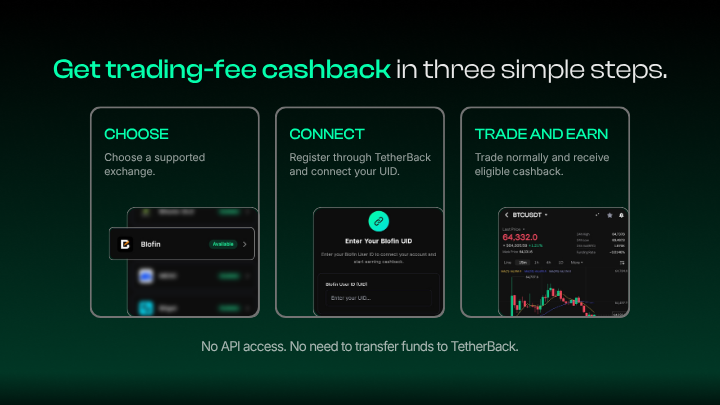
This is where TetherBack can help. Users sign up on TetherBack first, choose a supported exchange through the TetherBack platform, register through that exchange link, and then connect their new UID back on TetherBack. When the process is completed correctly, eligible trading activity can generate cashback on fees.
For beginners trading either long or short, this can help reduce part of the effective fee burden over time. It does not make futures low-risk, and it does not change how leverage or liquidation work. But it can help make trading costs more efficient for users who follow the correct signup and account-linking process.
Glossary
-
Long position: A trade that benefits if the asset price rises.
-
Short position: A trade that benefits if the asset price falls.
-
Crypto futures: Contracts based on the price of cryptocurrencies rather than direct ownership of the coins.
-
Perpetual futures: Futures-style contracts with no fixed expiration date.
-
Margin: The collateral used to open and maintain a futures position.
-
Leverage: A tool that allows traders to control a larger position with a smaller amount of capital.
-
Liquidation: Forced closure of a position when margin is no longer enough to support it.
-
Funding rate: A periodic payment between long and short positions in perpetual futures.
-
Bullish: Expecting the market to rise.
-
Bearish: Expecting the market to fall.
-
Position size: The total value of the trade being controlled.
-
UID: The account identifier used to connect an exchange account back to TetherBack.
FAQ
What does long mean in crypto futures?
A long position means the trader expects the price of the asset to rise and opens a trade that benefits if the market moves up.
What does short mean in crypto futures?
A short position means the trader expects the price of the asset to fall and opens a trade that benefits if the market moves down.
Is shorting crypto the same as spot trading?
No. In spot trading, beginners usually buy the asset directly. In futures, shorting means using a contract to take a bearish view on the asset’s price.
Can beginners trade both long and short in futures?
Yes. Futures markets allow traders to take both long and short positions, but beginners should understand margin, leverage, and liquidation before doing so.
Which is riskier, long or short?
Neither is automatically safe in futures. A long loses if the market falls, and a short loses if the market rises. Once leverage is involved, both can become very risky.
Do long and short traders pay funding?
They can. In perpetual futures, funding rates are periodic payments between long and short positions, and who pays depends on whether funding is positive or negative.
How can TetherBack help futures traders?
TetherBack can help eligible users reduce part of their trading fee costs through cashback when they sign up correctly through TetherBack, use a supported exchange, and link their UID properly.
Conclusion
Long vs short crypto futures is easier to understand once the jargon is removed. A long position wants the market to rise. A short position wants the market to fall. Futures contracts make both directions possible, which is one reason they are more flexible than ordinary spot trading.
But flexibility also brings more risk. Long and short positions both sit inside a system that includes leverage, margin, liquidation, and sometimes funding. For beginners, that means learning direction is only the first step. The real skill is understanding how these positions behave under risk. And if you do trade, keeping costs under control matters too. TetherBack can help reduce part of the fee burden, which makes it a useful support layer for more cost-conscious futures traders.
About TetherBack
TetherBack is a crypto cashback and rewards platform built for active traders who want to reduce effective trading costs. By partnering with supported exchanges, TetherBack shares a portion of trading fee revenue back to users in the form of cashback.
The platform does not hold user funds and does not operate as an exchange. Traders continue to execute trades directly on their chosen exchange while earning rewards through the partnership structure.
TetherBack focuses on cost efficiency, transparency, and providing traders with a structured way to maximize value from their existing trading activity.